.svg) Aldermans News
Aldermans News
.svg) (0)1752 201200
(0)1752 201200


The skills shortage is one of the biggest challenges facing UK manufacturing today, with around 75% of manufacturers citing it as a barrier to growth, according to Make UK. At Aldermans, it shapes recruitment decisions, training budgets and, at times, how quickly work can leave the factory door. Here’s a look at what the skills gap really means for a Plymouth sheet metal fabrication and precision machining business, and what the company is doing about it.
Not Just About Qualifications
It would be easy to assume the shortage is limited to specialist trades such as CNC machinists, welders or laser operators, but at Aldermans it runs much wider than that. Good people are hard to find, and it isn’t only about qualifications. Employers are looking for proactive thinkers, positive team members and people willing to learn, and no amount of training can substitute for the right mindset and cultural fit. That makes every role difficult to fill, whether it’s a driver, a quality manager, a CNC operator or a welder.
The challenge itself is not new, but it has changed shape. Thirty years ago, employers could take a chance on a candidate and part ways if it did not work out. That flexibility has largely disappeared, leaving less room for risk in every hire.
Investing in Apprenticeships
Twenty five years ago, Aldermans had not taken on an apprentice in years, despite being built on apprentice talent in its earlier history. Too many trainees had qualified and moved on, leaving demographic gaps the business struggled to fill. Re-engaging with the local college and restarting an apprenticeship programme changed that, and it has since become the company’s main strategy for building skills from within, rather than trying to out bid larger manufacturers on wages and benefits.
The result has been a sustainable, steady workforce, with headcount holding at 50 for the past decade through a careful balance of retirements and new apprentices, supported by growing use of automation. Staying lean remains essential given today’s cost of employment, and like many SMEs, that has occasionally meant longer lead times, which can often lead to the loss of some work rather than carrying more staff than the business needs.
Reaching the Next Generation
Attracting young people means changing some long held assumptions about the industry, from engineering being seen as little more than fixing cars, to the belief that manufacturing work has all moved overseas, or that factory pay is poor. In reality, the average manufacturing salary is 10% higher compared to the wider UK economy, and the sector supports around 2.6 million jobs nationwide, according to Make UK.
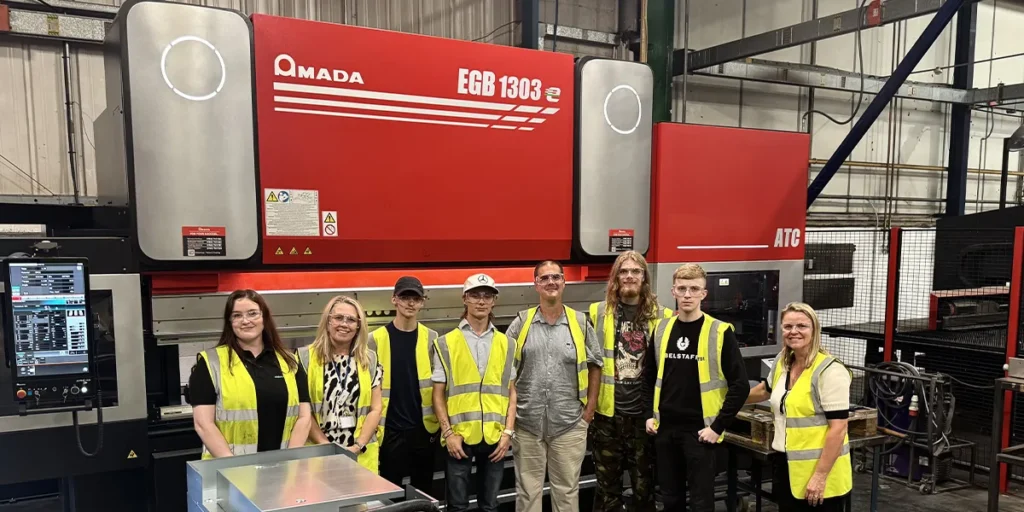
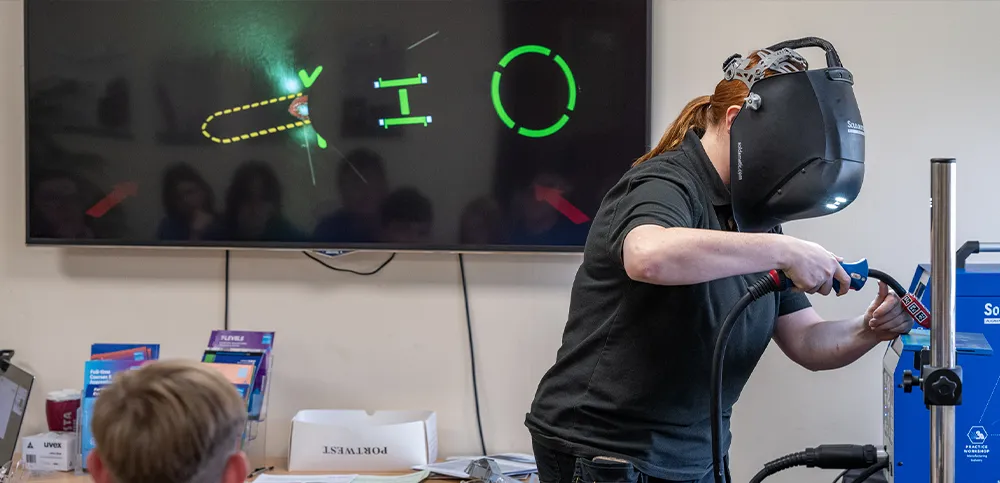
Much of this comes down to visibility. Many of the candidates who come through Aldermans’ doors already have a family connection to engineering, a reminder of how little exposure young people otherwise get to the sector through school or daily life. Aldermans tackles this through sustained work with local schools and colleges, offering work experience, careers events and its annual National Manufacturing Day | Make UK . Building an employer brand, not just a product or service brand, takes time and investment, but it puts the company in front of the talent it needs.
Changing Perceptions
There is a wider perception problem too. Manufacturing and engineering have long been treated as a second choice careers in the UK, even within higher education, in contrast to countries such as Germany, where engineers are regarded with a status closer to doctors. With roughly one million additional engineers needed in the UK by 2030, and engineering roles already accounting for around a quarter of all advertised jobs, closing that gap matters well beyond any one company.
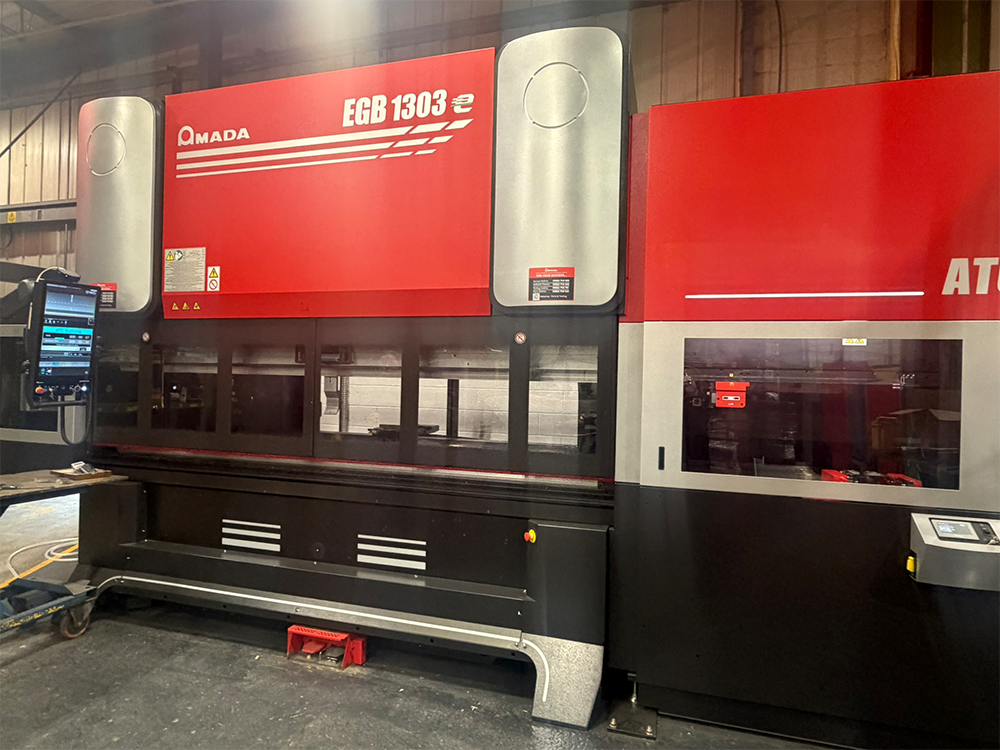
Aldermans sees this as a shared responsibility. Schools and colleges have a role to play in offering genuine exposure to STEM subjects and reviving design and technology workshops, rather than steering pupils toward a narrow set of favoured pathways. Industry, in turn, has to keep showing what modern manufacturing actually looks like, robotics, automation and precision engineering, rather than the outdated image many young people still carry.
Bridging the Generation Gap
Communication habits have shifted noticeably between generations. Recruiters still lean on email, but younger applicants often check this type of mail infrequently, and unanswered mobile calls can leave both sides thinking the other has lost interest. A more direct approach, a named contact, a personal email or even a hand written note, tends to stand out far more than a standard application process.
Younger employees also expect more structured training and mentoring than previous generations did, and that mutual investment is something Aldermans is glad to make. Taking on less experienced staff also comes with a duty of care, striking a balance between keeping a watchful eye and giving people room to learn. In return, younger team members are more comfortable with new technology and automation, which is changing the workshop for everyone. Pairing them with longer serving colleagues means both generations learn from each other.
Looking Ahead
For anyone considering a career in the sector, persistence matters. A lack of replies to job applications is rarely personal, it is usually a symptom of pressure on busy employers, and trying a different form of contact can make all the difference.
For Aldermans, closing the skills gap remains a long term commitment, built through apprenticeships, school and college partnerships, and a genuine investment in the people who will shape the business for years to come. One of the clearest examples of that commitment is National Manufacturing Day, when Aldermans opens its doors to local schools and colleges for a behind the scenes look at modern manufacturing. Find out more about how we are taking part this year and who we are welcoming to the factory.